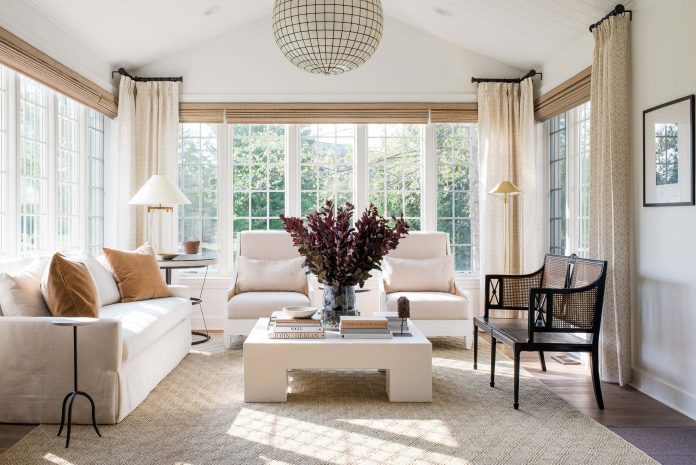
Your home’s aesthetic defines how your living space looks, feels, and reflects your personality and lifestyle preferences. From sleek modern designs to cozy rustic vibes, house aesthetics encompass both interior design elements and architectural features that create a cohesive visual identity.
Understanding different house aesthetic types helps homeowners make informed decisions about design choices that align with their personal taste and functional needs. Whether someone gravitates toward minimalist Scandinavian styles, bold contemporary looks, or traditional farmhouse charm, each aesthetic carries distinct characteristics and design principles.
House aesthetics range from fundamental styles rooted in architectural history to emerging trends that blend multiple influences. These aesthetic choices involve everything from structural elements and color palettes to furniture selection and decorative accessories, with some styles emphasizing regional traditions while others embrace global design movements.
Fundamental House Aesthetics
These core aesthetic styles form the foundation of most home design approaches. Each represents distinct principles for color palettes, furniture selection, spatial arrangement, and decorative elements that define a home’s overall character.
Minimalist
Minimalist aesthetics center on the principle that less equals more. This approach eliminates unnecessary items and focuses on essential furniture pieces with clean geometric forms.
Color schemes stick to neutral palettes dominated by whites, grays, and beiges. Black accents provide contrast without overwhelming the space.
Furniture features straight lines and simple silhouettes. Storage solutions remain hidden to maintain uncluttered surfaces. Open floor plans maximize the sense of space and light.
Key characteristics include:
- Bare walls with minimal artwork
- Natural materials like wood and stone
- Large windows without heavy treatments
- Functional items that serve multiple purposes
Lighting plays a crucial role through large windows and strategically placed fixtures. The absence of decorative clutter allows architectural elements to become focal points.
Modern
Modern aesthetics emerged from early 20th-century design movements that rejected ornate traditional styles. This approach emphasizes functionality, innovation, and connection with the outdoors.
Materials showcase industrial elements like steel, glass, and concrete alongside natural wood. Furniture sits low to the ground with horizontal emphasis rather than vertical height.
Open floor plans create flowing spaces between rooms. Large expanses of glass blur the boundaries between interior and exterior spaces.
Design elements include:
- Flat or gently sloping rooflines
- Built-in furniture and storage
- Bold geometric patterns in limited quantities
- Primary colors used as accents against neutral backgrounds
Technology integration appears seamless rather than as an afterthought. The aesthetic celebrates machine-age precision while maintaining human comfort and livability.
Traditional
Traditional aesthetics draw from European design periods including Georgian, Victorian, and Colonial American styles. This approach values craftsmanship, symmetry, and time-tested decorative elements.
Furniture pieces feature rich wood finishes, curved lines, and ornate details. Upholstery uses classic patterns like florals, stripes, and plaids in coordinated color schemes.
Room layouts follow formal arrangements with designated purposes for each space. Architectural details include crown molding, wainscoting, and built-in cabinetry.
Characteristic features:
- Warm color palettes with deep jewel tones
- Layered window treatments with curtains and valances
- Antique or reproduction furniture pieces
- Collections of books, artwork, and decorative objects
Lighting combines chandeliers, table lamps, and sconces to create warm, inviting atmospheres. Natural materials like hardwood floors and stone fireplaces anchor the spaces.
Transitional
Transitional aesthetics blend traditional warmth with modern simplicity. This balanced approach appeals to homeowners seeking comfort without excessive ornamentation or stark minimalism.
Furniture combines classic proportions with streamlined details. Upholstery uses solid colors or subtle patterns rather than bold prints. Wood finishes appear in medium tones that work with various color schemes.
Neutral color palettes provide flexibility for seasonal changes through accessories. Rooms maintain clear functions while allowing for casual, everyday living.
Design characteristics:
- Mixed textures through fabrics, metals, and natural materials
- Simplified window treatments like panels or Roman shades
- Updated versions of classic furniture styles
- Moderate use of decorative accessories
Lighting fixtures bridge traditional and contemporary styles through updated interpretations of classic forms. The overall effect creates timeless spaces that avoid following short-term trends.
Popular Architectural Styles
Four architectural styles have shaped American residential design through distinct periods and continue to influence modern home construction. These styles range from the geometric lines of mid-century design to the ornate details of Victorian craftsmanship.
Mid-Century Modern
Mid-century modern architecture emerged between 1945 and 1965, emphasizing clean lines and integration with nature. The style features flat planes, large glass windows, and open floor plans that blur the boundaries between indoor and outdoor spaces.
Key characteristics include exposed structural elements like steel beams and concrete. Architects used natural materials such as wood and stone alongside modern materials like steel and glass.
The style eliminates unnecessary ornamentation in favor of functional design. Post-and-beam construction allows for expansive interior spaces without load-bearing walls.
Exterior elements often include floor-to-ceiling windows and sliding glass doors. Many homes feature flat or low-pitched roofs that extend beyond the walls to create overhangs.
Victorian
Victorian architecture dominated American home design from 1860 to 1900 during Queen Victoria’s reign. The style encompasses several substyles including Queen Anne, Gothic Revival, and Second Empire.
Victorian homes display elaborate decorative elements called “gingerbread trim.” These ornate wooden details appear around windows, doors, and rooflines.
Bay windows project from the main structure to create additional interior space and light. Steep-pitched roofs often feature multiple gables and decorative shingles.
Color schemes typically include three or more contrasting colors to highlight architectural details. Wraparound porches with decorative columns and spindle work provide outdoor living space.
Turrets and towers add vertical interest to many Victorian designs. Interior features include high ceilings, ornate moldings, and pocket doors between rooms.
Colonial Revival
Colonial Revival architecture gained popularity from 1880 to 1955, drawing inspiration from early American colonial homes. The style emphasizes symmetrical facades and classical proportions that create balanced, formal appearances.
Two-story structures typically feature centered front doors flanked by equal numbers of windows. Multi-pane double-hung windows with decorative shutters maintain historical authenticity.
Roof designs include side-gabled or hip styles with moderate pitches. Dormers often punctuate the roofline to provide natural light to upper floors.
Common materials include wood clapboard siding, brick, or stone construction. Paneled front doors frequently feature sidelights or fanlights above the entrance.
Interior layouts emphasize formal room arrangements with defined spaces for specific functions. Fireplaces serve as focal points in living areas and dining rooms.
Craftsman
Craftsman architecture flourished from 1905 to 1930 as part of the Arts and Crafts movement. The style celebrates handcrafted details and natural materials while rejecting industrial mass production.
Low-pitched gable roofs with wide eaves and exposed rafter tails characterize the exterior design. Tapered columns on stone or brick pedestals support covered front porches.
Built-in furniture including bookcases, benches, and dining room buffets maximize functionality. Wood trim features throughout interiors, often in oak or other hardwoods with natural finishes.
Mixed materials combine wood siding with stone or brick foundations and accent walls. Windows often group in sets of three or more to increase natural light.
Open floor plans connect living spaces while maintaining distinct room functions. Fireplaces typically feature natural stone or brick surrounds with heavy wooden mantels.
Emerging and Eclectic Aesthetic Trends
These four distinct styles showcase the diversity of modern home design, from raw materials and clean lines to layered textures and rustic elements. Each aesthetic offers unique characteristics that reflect different lifestyle preferences and design philosophies.
Industrial
Industrial aesthetic draws inspiration from converted warehouses and urban lofts. The style emphasizes raw, unfinished materials as key design elements.
Exposed brick walls serve as focal points in industrial spaces. Steel beams remain visible rather than hidden behind drywall. Concrete floors often stay unpolished to maintain their natural texture.
Metal fixtures dominate the lighting choices. Edison bulb pendants and track lighting systems complement the utilitarian theme. Pipe shelving and metal furniture frames reinforce the factory-inspired look.
Color palettes center on neutral tones. Gray, black, and brown create the foundation. Rust orange and deep red accents add warmth without compromising the masculine edge.
Storage solutions incorporate vintage industrial elements. Metal lockers function as closets. Wooden crates and steel shelving units provide both function and visual interest.
Scandinavian
Scandinavian design prioritizes simplicity and functionality while maintaining warmth. Light woods and white walls create bright, airy environments that combat harsh Nordic winters.
Natural materials form the foundation of this aesthetic. Blonde wood flooring and furniture pieces dominate the space. White oak, pine, and birch appear throughout the home.
Furniture features clean lines and minimal ornamentation. Pieces serve multiple purposes without sacrificing style. Storage solutions integrate seamlessly into the overall design.
The color scheme remains deliberately restrained. White walls reflect maximum light. Soft grays and pale blues add subtle variation. Black accents provide contrast through light fixtures and hardware.
Textiles introduce comfort and texture. Wool throws and sheepskin rugs soften hard surfaces. Natural fiber curtains filter light while maintaining privacy.
Bohemian
Bohemian aesthetic celebrates artistic expression through layered textures and global influences. The style embraces collected items from travels and different cultural traditions.
Rich textiles define bohemian spaces. Persian rugs layer over hardwood floors. Tapestries hang as wall art. Velvet pillows and embroidered throws create comfortable seating areas.
Color palettes feature warm, saturated tones. Deep purples, burnt oranges, and jewel greens appear throughout the space. Metallic accents in gold and brass add glamour.
Plants play essential roles in bohemian design. Hanging macrame planters suspend from ceilings. Floor plants occupy corners and windowsills. Succulents cluster on shelves and tables.
Furniture mixes different periods and styles. Vintage pieces combine with handcrafted items. Low seating areas encourage relaxed gatherings. Carved wooden elements add artisanal details.
Farmhouse
Farmhouse aesthetic combines rustic charm with modern functionality. The style draws from traditional rural homes while adapting to contemporary living needs.
Reclaimed wood appears in multiple applications. Barn doors slide on metal tracks. Wooden beams span across ceilings. Plank walls create accent features in key rooms.
Neutral color schemes dominate farmhouse interiors. White and cream provide clean backgrounds. Soft grays and beiges add depth. Black metal accents ground the lighter palette.
Kitchen designs emphasize practical elements. Farmhouse sinks anchor the space. Open shelving displays dishes and glassware. Butcher block countertops provide work surfaces.
Furniture balances comfort with durability. Distressed finishes suggest age and use. Upholstered pieces feature natural fabrics like linen and cotton. Wooden tables show grain patterns and natural imperfections.
Specialized and Regional Influences
Regional and specialized aesthetics emerge from specific climates, cultural traditions, and geographic locations. These styles incorporate materials, colors, and design principles that reflect their origins while adapting to local environmental conditions.
Mediterranean
Mediterranean design draws inspiration from countries surrounding the Mediterranean Sea, including Spain, Italy, and Greece. This aesthetic emphasizes warm earth tones, natural materials, and indoor-outdoor living concepts.
Color palettes feature warm whites, terracotta, deep blues, and sun-bleached yellows. These hues reflect the coastal landscapes and abundant sunshine of the region.
Natural materials dominate Mediterranean interiors. Stone floors, wrought iron fixtures, and exposed wooden beams create authentic textures. Terra cotta tiles and stucco walls add warmth and character.
Key furniture pieces include heavy wooden tables, upholstered seating in rich fabrics, and ornate mirrors. Hand-painted ceramics and woven textiles provide decorative accents.
Arched doorways and windows create architectural interest. These curved elements soften rectangular spaces and enhance the flowing, relaxed atmosphere characteristic of Mediterranean homes.
Japandi
Japandi combines Japanese minimalism with Scandinavian functionality, creating a serene and purposeful living environment. This hybrid aesthetic prioritizes simplicity, natural materials, and thoughtful design choices.
Natural wood serves as the primary material, typically in light oak, ash, or pine finishes. Clean lines and geometric shapes define furniture pieces and architectural elements.
Color schemes remain neutral and muted. Whites, beiges, soft grays, and warm wood tones create calming atmospheres without visual distractions.
Furniture selection emphasizes low-profile pieces with clean silhouettes. Floor cushions, platform beds, and simple wooden tables reflect Japanese influence. Scandinavian elements appear in cozy textiles and functional storage solutions.
Plants play important roles in Japandi spaces. Small potted plants, bonsai trees, or single-stem arrangements add natural elements without overwhelming the minimalist aesthetic.
Coastal
Coastal design captures the relaxed atmosphere of seaside living through light colors, natural textures, and ocean-inspired elements. This aesthetic works in both beachfront properties and inland homes seeking nautical charm.
Color palettes center on whites, soft blues, sandy beiges, and seafoam greens. These shades reflect natural coastal environments and create bright, airy spaces.
Natural materials include weathered wood, rattan, jute, and linen. These textures add warmth while maintaining the casual, lived-in feel associated with beach houses.
Decorative elements feature nautical themes without becoming overly literal. Rope accents, coral specimens, driftwood sculptures, and sea glass collections provide coastal connections.
Furniture tends toward comfortable, casual pieces. Slipcovered sofas, wicker chairs, and distressed wooden tables create inviting spaces for relaxation and entertaining.
Tropical
Tropical design celebrates lush environments through bold colors, exotic materials, and nature-inspired patterns. This aesthetic brings indoor gardens and resort-like atmospheres into residential spaces.
Rich color schemes include deep greens, vibrant corals, sunny yellows, and ocean blues. These saturated hues reflect tropical flora and create energizing environments.
Natural materials feature bamboo, teak, rattan, and palm fibers. These sustainable options provide authentic textures while supporting the ecological themes central to tropical design.
Large-scale plants serve as living architectural elements. Palm trees, monstera plants, and hanging ferns create indoor jungles that define spaces and purify air.
Patterns draw from tropical motifs including palm leaves, exotic flowers, and animal prints. These designs appear on wallpaper, textiles, and decorative accessories to reinforce the natural theme.