Small bedrooms present unique decorating challenges that many homeowners face, from cramped layouts to limited storage options. These compact spaces often feel restrictive and leave people wondering how to create both functionality and style within tight square footage.
The key to decorating a small bedroom successfully lies in using strategic design techniques that maximize every inch while creating the illusion of more space. Smart furniture choices, clever storage solutions, and thoughtful color schemes can transform even the tiniest bedroom into a comfortable and visually appealing retreat.
With the right approach to space optimization, visual expansion techniques, and personal styling choices, small bedrooms can become cozy sanctuaries that feel both organized and spacious. The following strategies will help anyone turn their compact bedroom into a well-designed space that proves bigger isn’t always better.
Maximizing Space in a Small Bedroom
Small bedrooms require strategic furniture choices, creative vertical solutions, and clever storage systems to function effectively. The key lies in selecting pieces that serve multiple purposes while maintaining an organized and visually open environment.
Choosing Functional Furniture
Multi-purpose furniture forms the foundation of an efficient small bedroom layout. A platform bed with built-in drawers eliminates the need for separate storage units while providing sleeping space.
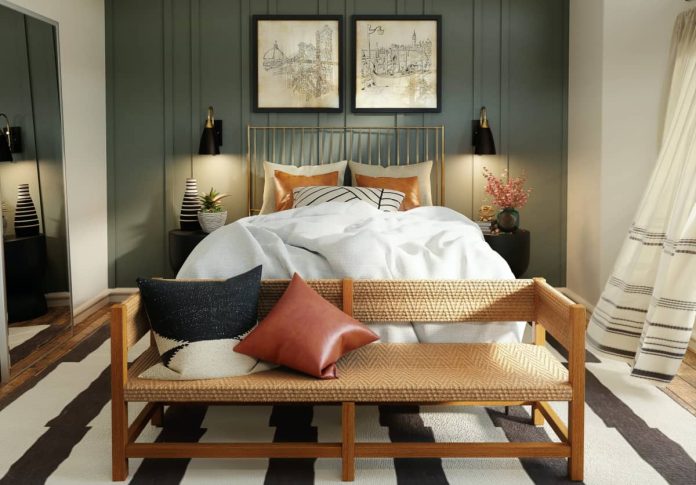
Ottoman storage benches serve as seating, storage, and foot-of-bed furniture simultaneously. These pieces reduce clutter while maintaining functionality.
Wall-mounted nightstands free up floor space compared to traditional bedside tables. They create the illusion of more room while providing essential surface area.
Folding desks that mount to walls can be lowered when needed and raised when not in use. This approach maximizes floor space during non-working hours.
Consider furniture with exposed legs rather than pieces that sit directly on the floor. The visible floor space underneath creates a sense of openness.
Utilizing Vertical Space
Walls offer significant storage potential that many small bedroom owners overlook. Installing shelves near the ceiling draws the eye upward and creates additional storage without consuming floor space.
Tall, narrow bookcases maximize vertical storage while maintaining a small footprint. These units can hold books, decorative items, and storage baskets.
Floor-to-ceiling curtains make windows appear larger and ceilings higher. This visual trick enhances the room’s proportions significantly.
Wall-mounted lighting fixtures like sconces eliminate bedside table lamps. This frees surface space while providing adequate illumination.
Vertical storage towers in corners utilize often-wasted space effectively. These narrow units can accommodate clothing, linens, or personal items.
Smart Storage Solutions
Under-bed storage maximizes the often-unused space beneath the mattress. Storage boxes, bins, or built-in drawers can hold seasonal clothing, extra bedding, or personal items.
Closet organization systems with multiple hanging levels double or triple available space. Adding shelf dividers and hanging organizers creates designated spots for different items.
Behind-the-door organizers transform unused door space into storage areas. These systems work well for shoes, accessories, or toiletries.
Vacuum storage bags compress bulky items like comforters and winter clothing. This technique can reduce storage volume by up to 75 percent.
Built-in storage benches at the foot of the bed provide seating and storage simultaneously. These custom solutions maximize every available inch efficiently.
Design Techniques for a Spacious Feel
Strategic color choices, mirror placement, lighting design, and bedding selection can transform a cramped bedroom into a visually expansive retreat. These techniques work by manipulating visual perception to create depth and openness.
Optimal Color Schemes
Light colors reflect more light and create visual expansion in small bedrooms. White, cream, and pale gray serve as ideal base colors for walls and major furniture pieces.
Cool tones like soft blues, pale greens, and lavender make walls appear to recede. This optical effect adds perceived depth to cramped quarters.
Monochromatic schemes using varying shades of the same color eliminate visual breaks that fragment space. A bedroom decorated entirely in whites and creams flows seamlessly from surface to surface.
Accent colors should be used sparingly through small accessories rather than large furniture pieces. A navy throw pillow or coral artwork provides interest without overwhelming the space.
Avoid dark colors on walls, as they absorb light and make boundaries feel closer. Reserve bold, saturated hues for removable elements like artwork or small decorative objects.
Creative Use of Mirrors
Large mirrors create the illusion of doubled space by reflecting existing square footage. Position a full-length mirror directly across from a window to bounce natural light throughout the room.
Mirrored closet doors serve dual purposes by providing necessary storage access while visually expanding the space. These eliminate the need for additional wall-mounted mirrors.
Multiple smaller mirrors arranged in a gallery wall formation add visual interest while maintaining the space-expanding effect. Choose frames in consistent finishes to avoid visual clutter.
Strategic placement opposite light sources maximizes reflection benefits. A mirror positioned across from a table lamp or ceiling fixture amplifies available illumination.
Avoid placing mirrors where they reflect clutter or unmade beds, as this doubles visual chaos rather than creating calm spaciousness.
Incorporating Light Sources
Natural light should be maximized through sheer curtains or blinds rather than heavy drapes. Light-colored window treatments maintain privacy while allowing maximum brightness penetration.
Layered artificial lighting eliminates dark corners that make spaces feel smaller. Combine overhead fixtures, table lamps, and wall sconces for comprehensive illumination.
LED strip lights installed behind headboards or under floating shelves create ambient lighting that makes walls appear to recede. Choose warm white temperatures for bedroom comfort.
Table lamps on nightstands should have light-colored or translucent shades that diffuse rather than block light. Solid, dark lampshades create shadows that shrink perceived space.
Ceiling-mounted fixtures free up surface space on nightstands and dressers while providing necessary task lighting for reading or dressing activities.
Selecting Appropriate Bedding
Light-colored bedding maintains visual continuity with pale wall colors and prevents the bed from dominating the space visually. White, cream, or soft pastels work most effectively.
Low-profile bedding without excessive pillows or bulky comforters keeps the bed from appearing oversized. Choose fitted sheets, one blanket, and two standard pillows maximum.
Solid colors or subtle patterns prevent visual fragmentation across the bed surface. Large, bold patterns make the bed appear larger and can overwhelm small rooms.
Streamlined bed frames in light wood or metal finishes take up less visual weight than bulky upholstered headboards. Platform beds eliminate the need for box springs, reducing overall height.
Quality cotton or linen fabrics in light colors reflect more light than synthetic materials, contributing to the overall brightness and spaciousness of the room.
Personalizing and Styling a Small Bedroom
Personal touches and strategic styling choices transform cramped quarters into inviting retreats. The right wall treatments, layered textures, and carefully selected accessories create depth and character while maintaining the illusion of spaciousness.
Wall Decor and Artwork
Gallery walls work exceptionally well in small bedrooms when arranged thoughtfully. A collection of 4-6 small to medium pieces creates visual interest without overwhelming the space.
Vertical artwork draws the eye upward, making ceilings appear higher. Choose pieces that are roughly two-thirds the width of the furniture below them.
Mirrors serve dual purposes as both decoration and space enhancers. A large mirror opposite a window reflects natural light and creates depth. Multiple small mirrors arranged in a pattern add sparkle without taking up floor space.
Wall-mounted floating shelves display personal items while saving surface area. Position them at varying heights to create visual movement.
Light-colored frames and mounts blend with walls to keep focus on the artwork itself. Dark frames can work but should be used sparingly to avoid visual weight.
Adding Textures and Layers
Layered bedding creates luxury without bulk. Start with crisp cotton sheets, add a lightweight duvet, and finish with a textured throw blanket.
Mixed fabric textures add depth through contrast. Combine smooth linens with chunky knits, or pair silk pillowcases with woven cotton throws.
Area rugs define spaces and add softness underfoot. Choose rugs large enough to extend beyond the bed frame on at least three sides.
Window treatments in flowing fabrics like linen or cotton soften hard edges. Mount curtain rods close to the ceiling to emphasize height.
Throw pillows in varying sizes and textures create comfort. Limit to 2-4 pillows to avoid clutter while maintaining style.
Customizing with Accessories
Personal collections displayed on floating shelves or bedside tables reflect individual taste. Group items in odd numbers for pleasing arrangements.
Table lamps provide ambient lighting while freeing up floor space. Choose bases that complement the room’s color scheme.
Plants bring life to small spaces without taking up significant room. Wall-mounted planters or tall floor plants in corners work best.
Storage baskets serve double duty as organization tools and decorative elements. Woven textures add warmth while concealing necessities.
Books stacked horizontally create height variation and personal touches. Use them as bases for small decorative objects or plants.